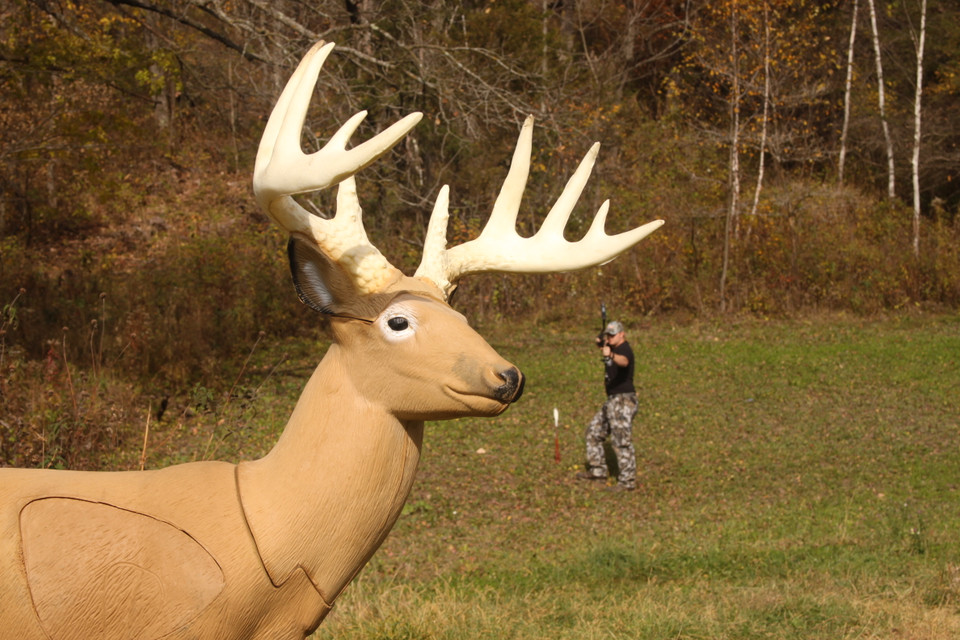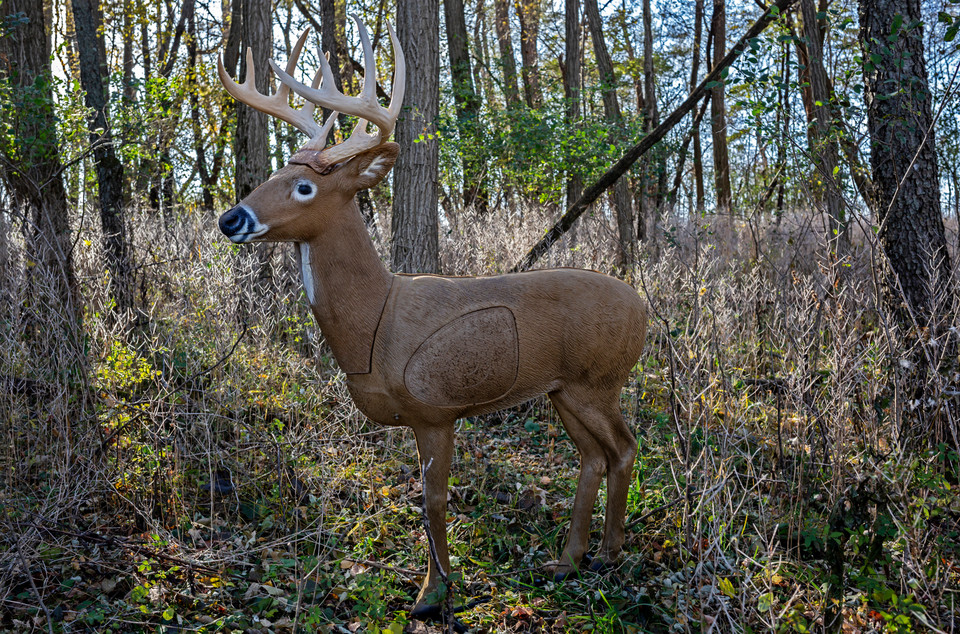
For most bowhunters, the first 3D archery target they buy is a deer. It makes sense—whitetails are the most common big game animal in North America, and a deer target helps you visualize the exact shots you’ll make in the field.
But as you grow as an archer, sticking to one species can actually limit your progress. Real-world hunting involves changing body shapes, angles, and vital zones, and the best way to prepare for that diversity is to practice on a variety of 3D targets for archery. The more animal shapes you shoot, the sharper your instincts become.
Here’s how mixing up your 3D practice can take your accuracy, adaptability, and confidence to the next level.
Why Variety Builds Versatility
Every animal presents a different shot picture. A deer’s vitals sit high and slightly behind the shoulder, while a turkey’s are small and low in the chest cavity. A bear’s broad shoulders, an elk’s large rib cage, and a coyote’s narrow frame all demand subtle adjustments in aiming point and arrow placement.
Practicing on multiple 3D targets challenges your ability to identify vital zones quickly and adapt your shot execution. It forces your brain to process new body shapes, distances, and angles—just like in the field, where no two shots are ever exactly alike.
When you become comfortable shooting at a variety of lifelike targets, your hunting instincts sharpen. You stop overthinking and start reacting naturally to each situation.
Small Targets, Big Improvement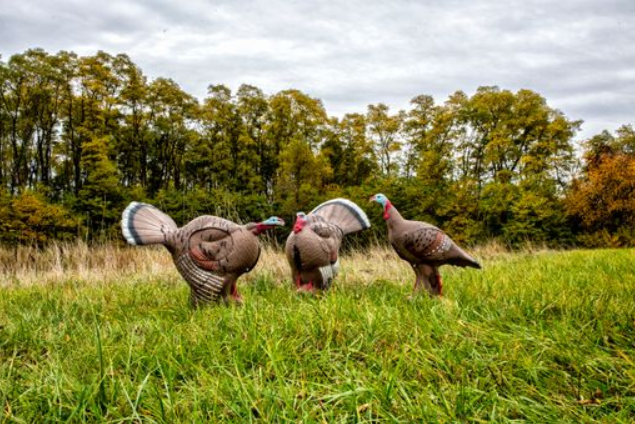
If you want to become a more precise shooter, spend time on smaller targets. Compact 3D models—like rabbits, foxes, or turkeys—force you to tighten your groups and refine your release. Missing a vital zone by an inch on a small animal target often means a complete miss, and that’s great feedback for improving consistency.
This kind of practice is especially useful for bowhunters who pursue turkeys, predators, or small game. It trains focus, steadiness, and fine muscle control. By the time you go back to a full-size deer or elk target, those larger vitals feel enormous—and your confidence skyrockets.
Mastering Angles Across Species
Different species also teach different lessons about shot angles. A quartering-away shot on a whitetail is not the same as on a bear or an antelope. Each animal’s bone structure, depth of chest, and position of the vitals demand unique arrow paths.
By rotating your 3D targets to simulate various angles—broadside, quartering away, steep downhill—you’ll learn how to visualize arrow trajectory through the body. That skill is what separates average shooters from truly ethical hunters.
It’s not about hitting foam—it’s about training your mind to “see” the vitals inside the animal and adjust instinctively.
The Competitive Edge: Mixed Courses
If you’ve ever walked a 3D competition course, you know that variety is what makes it fun—and challenging. One target may be a bear tucked in the shadows, the next a coyote in tall grass, followed by a deer at an unknown distance.
Recreating that diversity in your backyard keeps practice interesting and improves your ability to adapt. Set up a series of different archery 3D targets along a walking path or through wooded terrain. Change distances, lighting, and angles to create fresh challenges each session.
You can even track scores to simulate tournament conditions. Shooting under a bit of pressure—especially at unfamiliar animal shapes—helps build the mental focus needed for both competition and hunting success.
Practicing for Realistic Encounters
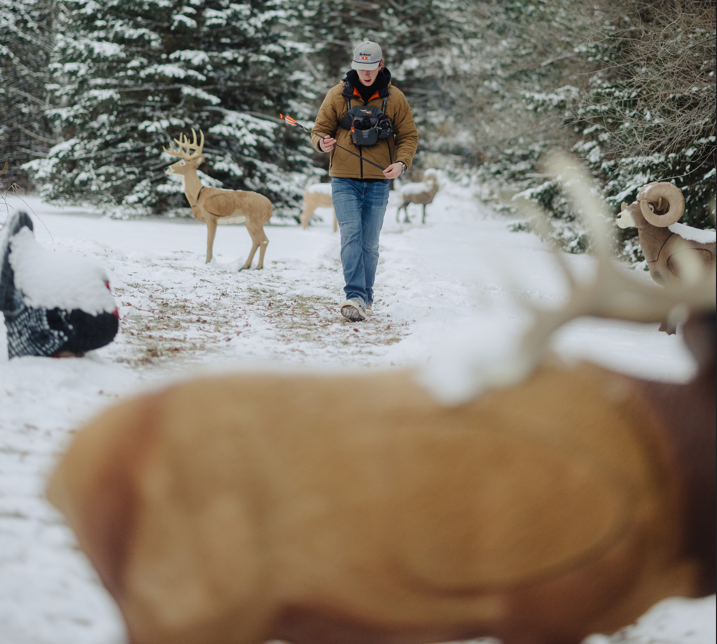
Using multiple 3D targets archery setups also helps mimic the unpredictability of hunting scenarios. For instance:
- A turkey target placed behind a log simulates a partial shot window.
- A bear target positioned on a slope tests uphill aiming compensation.
- A deer target at 40 yards followed by a raccoon at 15 forces quick range estimation adjustments.
These varied encounters prepare you for the surprises that real animals provide—different lighting, terrain, body angles, and obstacles. When your practice environment feels dynamic, your in-field reactions become automatic.
Why Rinehart’s Variety Matters
Rinehart’s lineup of bow targets offers one of the widest selections of realistic 3D animals in the industry. From life-sized elk and moose to small predators and even exotic species, each model is sculpted with accurate anatomy and lifelike texture.
That realism isn’t just for show—it’s a training advantage. The more true-to-life the target, the more your eyes and instincts learn to pick up on the subtle details that define vital zones.
And because Rinehart’s self-healing foam and replaceable core technology keep targets shooting season after season, you can build a collection over time without worrying about wear. Whether you’re hosting friends for a friendly shoot or training solo, Rinehart’s 3D targets provide consistent feedback and long-term value.
Expanding the Hunter’s Mindset
Shooting different animals also expands your hunting mindset. It reminds you that bowhunting is about more than just one species—it’s about understanding wildlife, anatomy, and behavior.
Switching between deer, bear, and small game targets encourages you to think like a hunter year-round. It keeps you mentally engaged, even outside of season, and helps you develop a deeper respect for every shot you take.
Conclusion: The More You Shoot, the More You See
Every animal target offers a new lesson. A turkey teaches precision. A bear teaches patience. A deer teaches discipline. And together, they sharpen you into a more complete archer.
When you step up to a 3D archery target, you’re not just shooting at foam—you’re learning anatomy, reading angles, and preparing for the next encounter nature throws at you.
Whether you’re filling your backyard range or competing on the 3D circuit, expanding your target lineup beyond deer isn’t just fun—it’s essential.
Because in bowhunting, versatility isn’t a luxury—it’s what turns good shots into great ones. And Rinehart’s full range of lifelike 3D targets is built to take you there, one arrow at a time.